
Tomato List 2026
It’s that time of year, garden planning and our 2026 Tomato List is out! Our current Tomato List includes details on fruit size, days to harvest,

Bugs can be a savior to your plants and a gardener’s best friend, but they can also be the reason your garden was a flop this year. Depending on your garden you’ll want different kinds of bugs to help pollinate and protect each plant.
Bugs can be classified into two general categories: bugs that eat other bugs (good) and bugs that eat plants (bad).
This time of year it is not uncommon to see a variety of insects in your garden. Don’t panic yet, some insects are actually beneficial to your garden. They are the pollinators or predatory insects that actually eat the bad guys.
If you are concerned about insects, the first step is to look over your plants carefully for signs of damage: holes in leaves, new leaves curled, or insects crawling all over your plants.
One particularly common and obnoxious “bad bug” is aphids, which generally appear on the newer leaves of the plants and can wreak havoc through your whole garden – especially your herbs! Their presence is often difficult to detect as they will cause the leaves to curl under and that is where they hang out. Aphids are very tiny, white and always appear in a mob. Often seeing their “good bug” counterpart – ladybugs – in your garden is the first sign of the presence of aphids as this is the favorite meal of ladybugs.
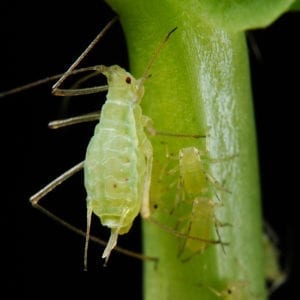
If you have a lot of ladybugs, they will generally devour the aphid population very quickly. If you have aphids, and only a few ladybugs, it is worthwhile to purchase some ladybugs and release them near the infested plants. Eliminating these little pests with a natural predator is not only effective but also very satisfying.
Aphids and ladybugs are but one example of “bad bugs” versus “good bugs” in your garden. Below, we’ve compiled a short list of which common garden bugs go in which category.
Aphids
These tiny little bugs harm your plants by not only sucking the sap out of them, but by also transmitting harmful plant viruses.
Slugs
Slugs can become the bane of your garden as they eat through foliage faster than the plant can grow; they also destroy your fruits and veggies before harvest by eating holes through them and rendering them useless.
Spider Mites
Spider mites are a particularly heinous pest in Colorado gardens as they damage the leaves on a plant first; then causing so much damage to the plant that it can die off.
Bees
Bees will definitely help your garden, pollinating flowers and allowing them to flourish; they are an essential part to any garden.

Ladybugs
Ladybugs are the perfect counterweight to aphids in your garden.
Ground Beetles
The nocturnal ground beetle is a predator of slugs, snails, cutworms, cabbage maggots, and other pests that live in the soil of your garden. A single beetle larva can eat more than 50 caterpillars!
Lacewings
Lacewing larvae love to eat aphids, mealybugs, mites, cucumber beetles, and more “bad bug” types (according to this awesome bug chart). Angelica (dill), calliopsis, and sweet alyssum attract lacewings, so make sure to plant a little in your garden.
It’s that time of year, garden planning and our 2026 Tomato List is out! Our current Tomato List includes details on fruit size, days to harvest,
Who’s ready to dive into everything related to houseplant trends for 2025?! We love to see what indoor plants and display ideas have grown in

Want to plant a privacy screen to make your outdoor space feel like a cozy retreat? Create a more secluded area and add some natural

Have more peaches than you know what to do with? If you’re looking for fresh ideas (literally) and want to mix it up a little,