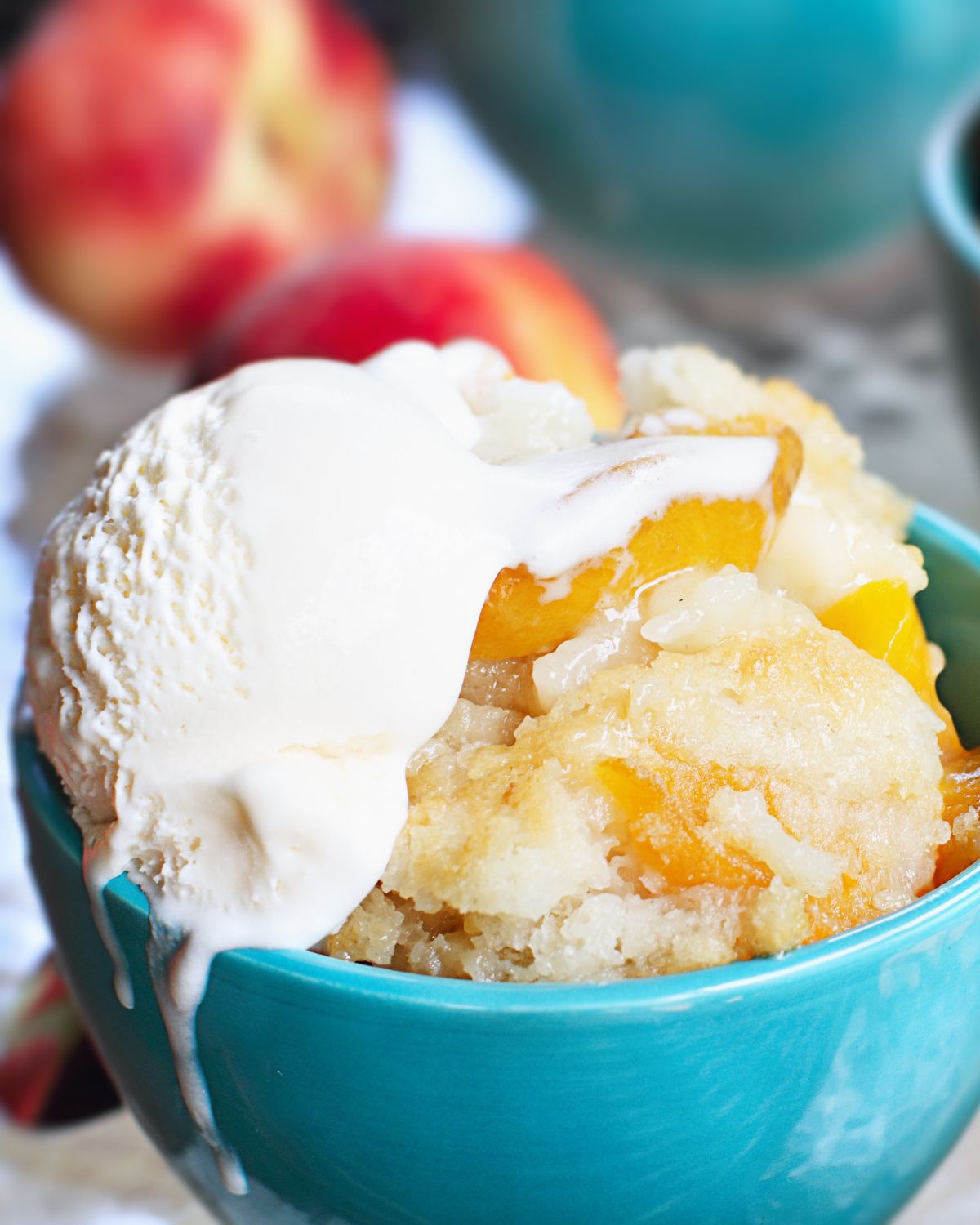
Fresh blueberries heaped over a rich bowl of vanilla ice cream or bobbing in a glass of lemonade is a treat few gardeners want to pass up. But blueberries are often not planted because of how highly acidic the soil needs to be. However, don’t be afraid of growing your own blueberry bushes. Just keep space between them and your other plants.
Varieties
A wide range of blueberry varieties means you can choose early-, mid-, and late-season types. But keep in mind that your blueberries are not self-pollinating, which means you’ll have to plant at least two different varieties. A popular early type is Earliblue; Stanley and Bluecrop are high-producing mid-season types; for late harvest, try Jersy or Coville.
Planting
When planting on a row or two of blueberry bushes, the first consideration is soil acidity. If after testing your soil, it is too close to the neutral mark (pH 7.0), increase acidity by mixing generous amounts of peat moss with the soil. Mulch heavily with an acidic material like oak leaves or pine needles. Apply powdered sulfur if the soil is too neutral and needs more help. 4 pints of sulfur for every 100 square feet of garden soil will lower the pH approximately one point. Be sure to keep testing the soil as you go to make sure it’s not changing too much.
Blueberries, like many other fruits, need ample amounts of soil moisture for an abundance of well-formed fruit. Avoid soggy soil conditions by ensuring good drainage.
Purchase three- or four-year-old plants when shopping and set them out as soon as possible to avoid injury to roots. Dig a hole at least twice the diameter of the rootball. Then loosen the burlap root covering. If the bush is in a plastic container, slit the plastic with a sharp knife and carefully remove the rootball. Place exposed roots over a cone of soil heaped in the bottom of the hole. Cover with a mixture of equal parts sphagnum peat moss and topsoil. Be sure to pat down the soil firmly to ensure no air pockets are left. Then water generously so that the soil settles in and around the roots. A mulch of sawdust, peat moss, wood chips, or shredded leaves will help the soil retain moisture and protect the plant from weeds.
Care & Feeding
A well-established blueberry bush is usually a relatively maintenance-free bush. But pruning is important if the best fruiting and yield are expected. An unattended shrub tends to pack every inch of the stem with berries. In time, this overproduction will result in small, inferior fruit.
Good pruning provides three benefits: the chief fruit-bearing branches are given plenty of room in which to develop, air circulation is increased (this is one of the best defenses against disease), and leaves and ripening fruit are exposed to the beneficial rays of the sun. But save your pruning chores until the third year of growth. Then when you do prune, remove weak or deformed branches. Thin out some of the many side shoots that sprout. As the bush increases in age, it may be necessary to remove tough, old wood to give room for newer growth just coming in.
Recently planted shrubs require little in the way of supplementary feeding. Once plants are established, a dose of ammonium sulfate fertilizer at the rate of about one-half cup per bush may be applied. Later, the amount can be increased to one-quarter pound and applied as soon as buds begin to swellin the spring.
Insects & Diseases
Birds can be a greater threat to the blueberry grower than bugss. The most effective protection is a canopy of nylon or cheesecloth netting placed over each bush when berries show signs of ripening. Shriveled, dried blueberries, called “mummy berries,” indicate the presence of fungus. Spray the bush with a fungicide recommended for use with this problem and according to its label instructions. Good ventilation and adequately spaced plantings go a long way in preventing the spread of fungus.
Harvesting
Resist plucking just-turned blueberries because change of color doesn’t mean they are ready to harvet. Allow the berries to remain on the bush two or three days longer. Then the berries will drop off easily.