
Cattleya Orchids

  • BEAUTIFUL COLORS
  • EASY-TO-GROW
  • SEVERAL GENERA

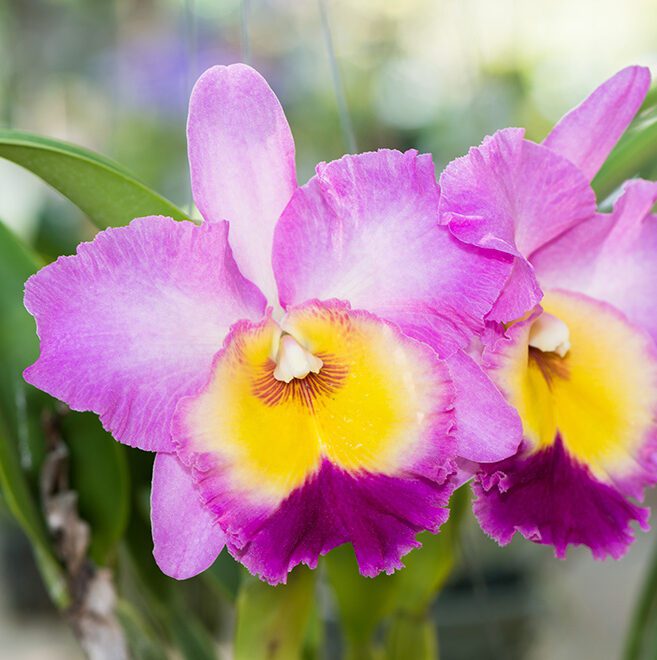
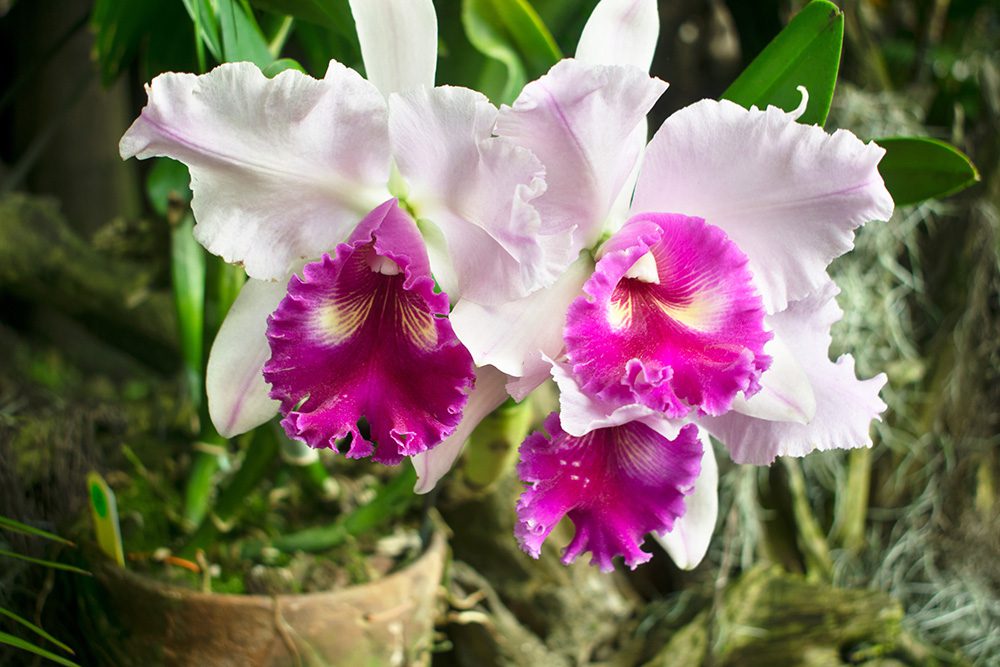
Cattleyas are some of the most commonly grown orchids. The Cattleya group consists of plants from several genera. These include Cattleya, Laelia, Brassavola, Sophronitis, and epidendrum, as well as several others. When these inter-generic crosses are made, we end up with a plant such as Laeliacattleya (LC). Like most other orchids, they grow in trees in nature, and their roots are accustomed to being dry between watering. For this reason, they are potted in very porous, free-draining media, the most popular being fir bark.

Care Requirements

Light

It is one of the most important factors in growing and blooming cattleyas. Bright light with some sun should be provided, but no direct sun in the middle of the day. As east, shaded south (as with a sheer curtain) or west window is best. Leaves should be a medium green color. Excellent results have been obtained under fluorescent lights, too.

WATERING​

There are two ways to provide water: in the pot by watering and in the air by humidity. A mature cattleya should be allowed to dry out between watering. The weight of the pot is a good indicator of the plant’s need for water. Plants in active growth need more water than plants that are resting. Water temperature should feel tepid to the touch. Humidity levels should be between 50-70%. This can be provided by placing plants together or on gravel trays partially filled with water, so the plants stand above the water. Misting may be helpful in the morning.

FERTILIZER

If grown in the bark, a 30-10-10 formulation is best with occasional use of a bloom booster such as 10-30-20. In other media, a balanced fertilizer is best. Orchids are not generally heavy feeders and need very little fertilizer during the winter months.

TEMPERATURE

Cattleyas are most comfortable at 55-60 degrees at night and 70-85 degrees during the day. Higher daytime temps up to 95 degrees can be tolerated if humidity, air circulation, and shading are increased. All orchids benefit from good air circulation at all times as they grow in trees in nature.

Cattleya Orchid | City Floral Garden Center - Denver

Our Advice

It is necessary before the plant begins to grow over the edge of the pot. It is best to repot in the spring just before new growth starts. Bark usually breaks down in 2-3 years and should be replaced during repotting. Select a pot that will allow 2 years of growth before crowing happens.

You May Also Like

Care Requirements

LIGHT

Hydrangeas do well in partially shaded areas like under a large tree or on the side of a house. They like to receive sun in the morning, and the partial shade is in the heat of the afternoon. In Colorado, too much full sun will cause them to get sunburned.

SOIL

Hydrangea shrubs need to have well-draining soils that is rich in organic matter. Most Colorado soils will benefit from the addition of peat moss and compost that helps retain moisture. The pH determines the colors of the blooms. Acidic soil will give you blue flowers, and alkaline soil gives you pink flowers.  

FERTILIZER

If hydrangea shrubs are given too much high-nitrogen fertilizer, they may grow full and lush, but there will be fewer flowers. If the soil is rich, fertilizer is not needed. Otherwise, a light application in March or April may be warranted.

WATERING

Make sure to water your hydrangea shrubs regularly. Those big blooms require a lot of water to stay lush and full. About one inch of water throughout the week is ideal. If they receive more sun give them at least two inches during the hotter summer days.

Our Advice

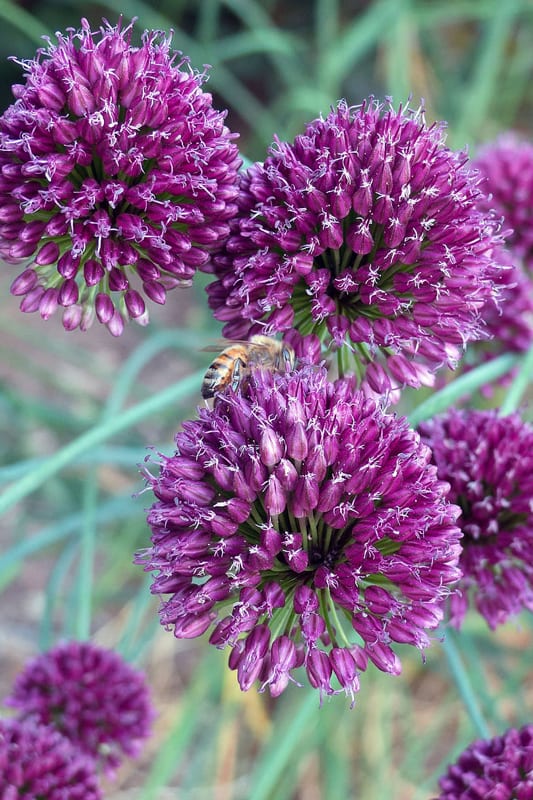
  • Allium flowers need full sun for the best blooms. 
  • Plant allium bulbs when temperature is consistently in the low 60’s or lower. 
  • Allium bulbs and flowers enjoy having soil that is well-draining and has organic matter. Amend the soil with top soil, compost and organic material. 
  • Fertilize when planting the allium bulbs with either Espoma Organic Bulb-tone or Hi Yield Dutch Bulb Food. Applying fertilizer at least 3″ below bulb will make sure the roots get the most from the fertilizer. 
  • Plant allium bulbs 4 – 6 inches deep with the old roots facing the ground and the pointed end facing up. 
  • Water the planted area immediately after planting but no additional watering in fall or spring is necessary. 
  • Apply a 2 – 3 inch layer of  mulch to the planing area in mid to late fall. 

Endless Summer Hydrangea Varieties

THE ORIGINAL

TWIST AND SHOUT

SUMMER CRUSH

BLOOMSTRUCK

BLUSHING BRIDE

Oakleaf Hydrangea Varieties

Ruby Slippers

Munchkin

Other Hydrangea Varieties

Limelight

Little Lime

Blue Enchantress

Quickfire

Little Quickfire

Pinky Winky

garden resources

Garden a Mile High

Ripe tomato cluster in greenhouse | City Floral Garden Center - Denver

Tomato List 2026

It’s that time of year, garden planning and our 2026 Tomato List is out! Our current Tomato List includes details on fruit size, days to harvest,

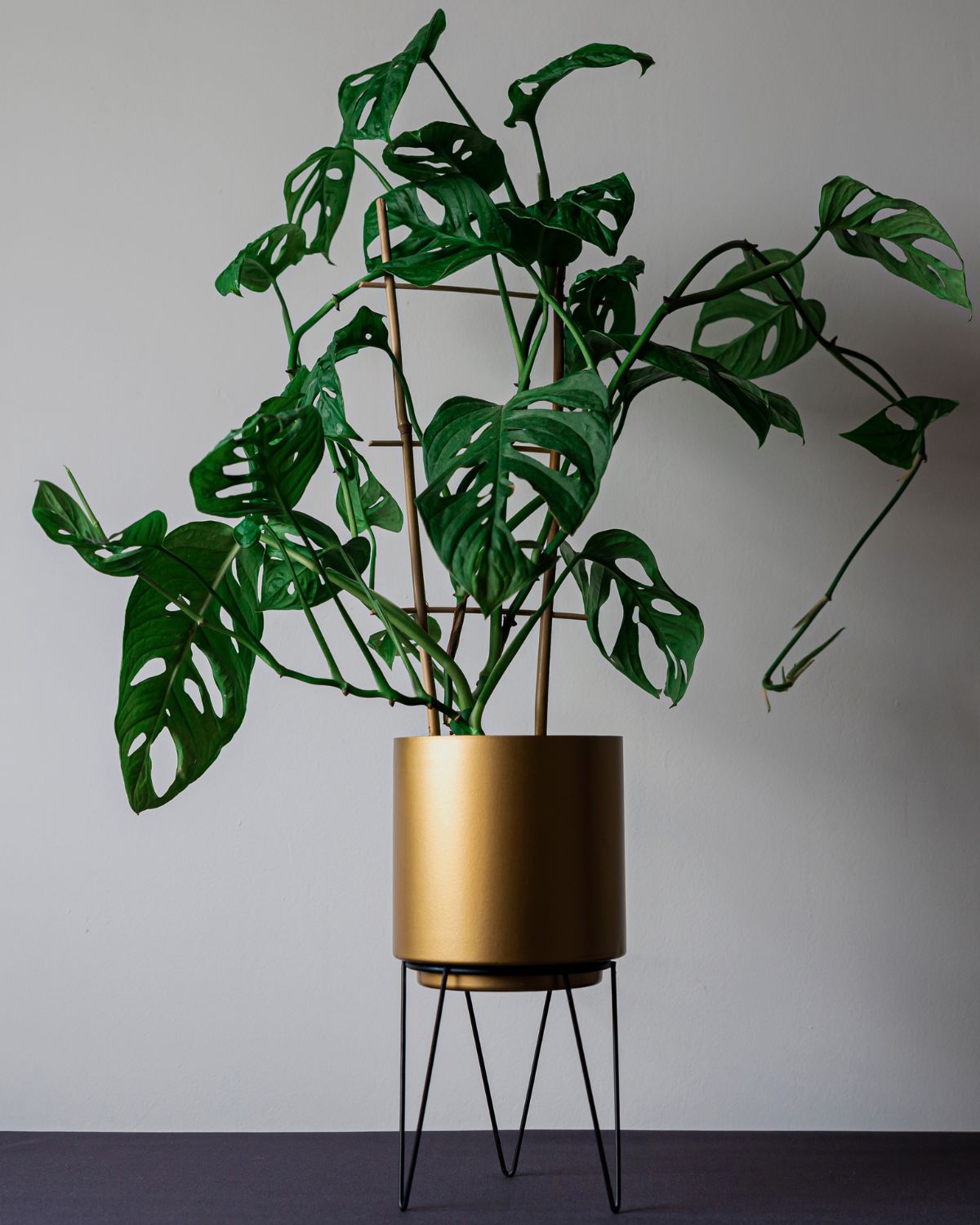
monstera esqueleto houseplant in raised gold planter

Houseplant Trends for 2025

Who’s ready to dive into everything related to houseplant trends for 2025?! We love to see what indoor plants and display ideas have grown in

peach cobbler with vanilla ice cream in bowl fresh peach cobbler recipe

Eight Fresh Peach Recipes

Have more peaches than you know what to do with? If you’re looking for fresh ideas (literally) and want to mix it up a little,

Join Garden Rewards

This field is for validation purposes and should be left unchanged.
Email(Required)
Name(Required)
Address(Required)
Please enter a number from 1 to 31.