Gardening for Your Senses
A sensory garden is different than most gardens in that it’s designed to engage all of our senses in one space. By incorporating different types of plants, and elements such as stone, wood, water, wind chimes, etc. a sensory garden becomes an immersive experience. They can be themed, divided into sections, or presented as a whole. Although they can be enjoyed by anyone, these unique gardens are especially beneficial for children, as well as people with special needs.
Continue reading below for some sensory garden inspiration and ideas.
sight
Depending on your intentions for the sensory garden, you may want soothing colors, bright invigorating colors, bold shapes, or soft shapes.
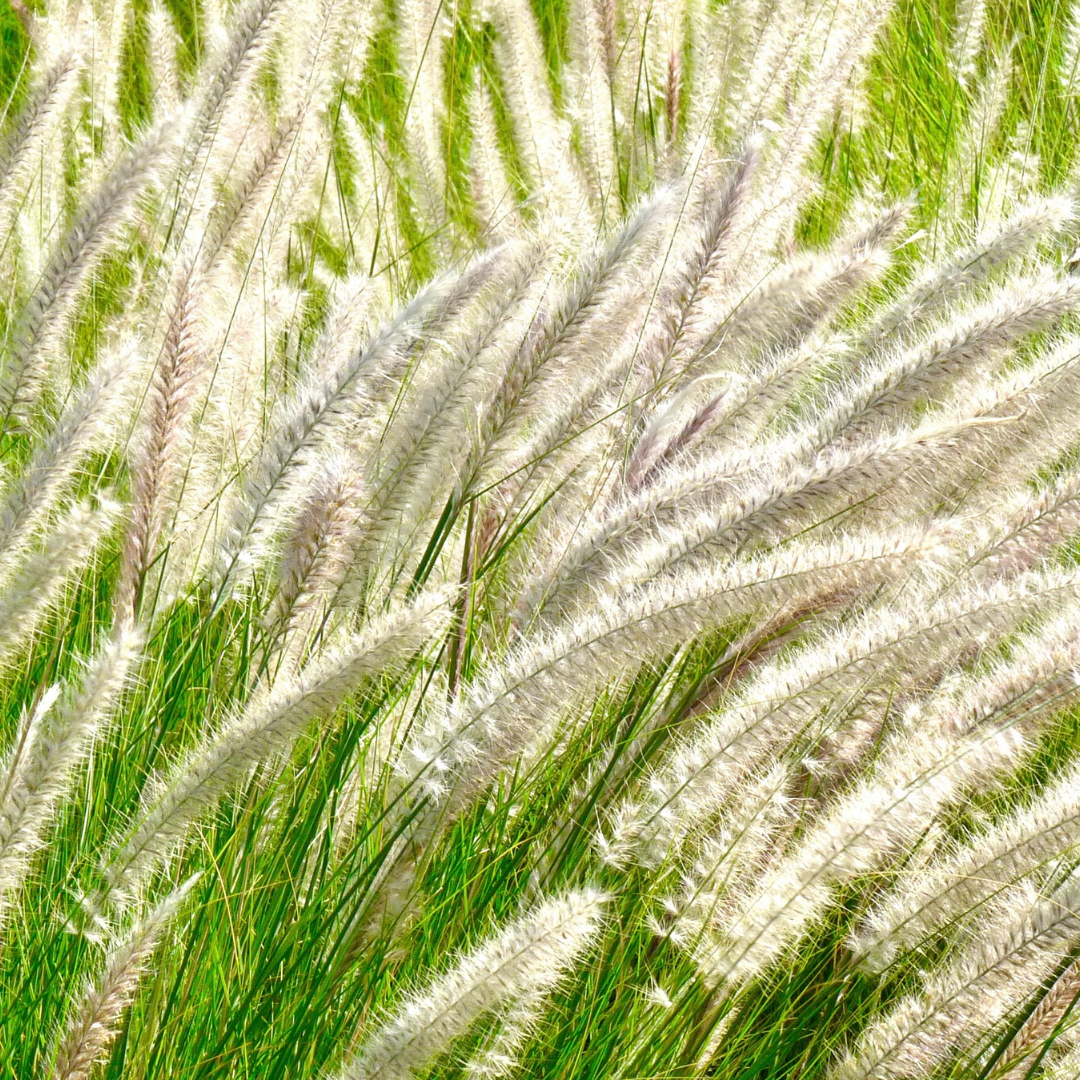
For a garden intended to be calming, soft colors and shapes are best. Tall grasses can satisfy many senses: the sight of the grass flowing in the wind like waves; the sound of the seeded tips brushing against each other; the feeling of running your hands along the soft tops as you walk by.
Mix ornamental grasses with plants (or other elements) of varying heights and complimentary colors for visual interest.
sound
Gardens can bring many sounds from nature, some that are out of your control. Sound can come from a variety of sources in a garden. If you plant plants that bees or garden birds love, you’ll hear the sounds of wildlife. If you plant tall grasses or use wind chimes, you’ll hear them when the wind blows.
One of the most soothing sounds for many people is the sound of water. You can go all out with a waterfall and pond, or as simple as a small garden fountain. No need for a “nature sounds” track on the Calm app when you have this element in your garden.
taste
When creating your sensory garden plan, choose at least a couple plants with your taste buds in mind.
Plant herb varieties that can be tasted right out of the garden, or harvested for cooking. An edible berry bush will give your design a pop of color, as well as invite wildlife into your space. There are many plant species with edible flowers, such as spicy nasturtiums and violets. Toss them in salads, use as garnish for soups or other dishes, or make sugared pansies and violas to top cupcakes.
touch
Engaging the sense of touch is all about texture. The texture of plants, pathways, stones, wooden elements, and even water can all play a different role in the experience.
Using different textures and elements stimulates your brain in different ways. Certain textures can be used as a calming sensory tool, like lamb’s ear with it’s soft velvety leaves.
smell
A person’s sense of smell is more connected with the emotional part of the brain than any other sense (here’s an article on the subject from Harvard if you wan to get nerdy about it 🙂). If you want to evoke certain emotions with your garden, scent should definitely be top of mind in the planning process.
Plants like lavender, chamomile, and roses can be very calming to the mind. For a more stimulating experience, try plants like rosemary, thyme, or jasmine (as a summer annual in Colorado).
Scent is also closely linked to memory, so if you have fond memories of spending time at your grandma’s house when the lilacs were blooming, maybe consider planting a lilac bush.
Final Thoughts
Some other things to consider when planning your garden is accessibility. If certain plants are meant to be experienced directly (smell, touch, taste), make sure to place them on the edges, along the pathway, or in a raised bed so everyone can enjoy them.
Create sitting areas near water elements, or a casual dining area next to the herbs. If you have kids, maybe add a Zen garden or sandbox for more sensory play.
There are so many ways to get creative here. If you do plant a sensory garden, please send pictures! Or post them on social and tag us @cityfloralgardencenter. We would love to see your creation and share it to inspire others!