
Forcing Bougainvilleas To Flower
Bougainvilleas can exhibit a dazzling show of color. These versatile plants can grow as annuals, espaliers, groundcovers, hanging baskets, tree form or even as hedges. The color range is wide, including deep red, golden orange, purple, light pink, and white. Double varieties come in orange, pink, and red.
Secrets For Success
Bougainvilleas will thrive in most soil types, however, acid soil is preferred. For maximum flower production, these plants need full sun & well-drained soils. After establishing, minimal watering is needed. Two or more irrigations with 3/4 – 1″ of water per week would provide too much water for the bougainvillea to bloom well. If a lawn has been conditioned for drought tolerance, bougainvillea will do well but don’t try to combine this plant with impatiens.
Bougainvilleas bloom on new growth. The heaviest flowering occurs in the winter and early spring. Therefore bougainvilleas should not be pruned later than October 1st. Do cutbacks after flowerings. Everblooming types should be trimmed in early spring.
For bougainvilleas Glabra, high nitrogen and short days produce more flower bracts. Bougainvillea is essentially a sun-loving plant, when grown in the shade the plant will live and grow but rarely bloom. Also, remember to avoid low spots with poor drainage.
Bougainvillea will exhibit potassium deficiencies. This causes browning around the leaf edges appearing as a fertilizer burn. Unlike fertilizer burn, this tends to occur on the older leaves only.
These are short plants, meaning that it will set buds when the day length drops to 12 hours. By further shortening the photoperiod to 9 hours using a black cloth from 5 pm until 8 am, you can cut four weeks off the time required for blooming.
During short-day, using high nitrogen levels in the soil will produce more blooms. However, during the long day growing season of summer, bougainvilleas depend on drought stress rather than photoperiod to produce buds. Feeding should be reduced in the summer months. A little wilt in the summer will help keep the plant blooming but a very heavy wilt will knock off its blooms. Each variety differs in its response to short days, temperature changes, and drought stress. You may need to experiment to find the best combination.
Leaf chewing worms can be eliminated with Sevin or formulations with the active ingredient bacillus thuringensis (B.T.). Leaf miners may occasionally attack the foliage of the plants, too. In severe infestations, a systematic insecticide such as Cygon or Orthene (acephate) is effective minerals for control.
(This article has been reproduced from the University of Florida Cooperative Extension Service *Environmental Horticulture* Newsletter, Vol 1, No. 2)
Recent Posts

Deck the Mantel with Fresh Greens & Holiday Blooms
Bring the beauty and fragrance of the season indoors with fresh greenery, festive flowers, and natural touches. There’s something special about decorating with fresh greenery during the holidays. The fragrance…
A denver Holiday tradition: Christmas at City Floral
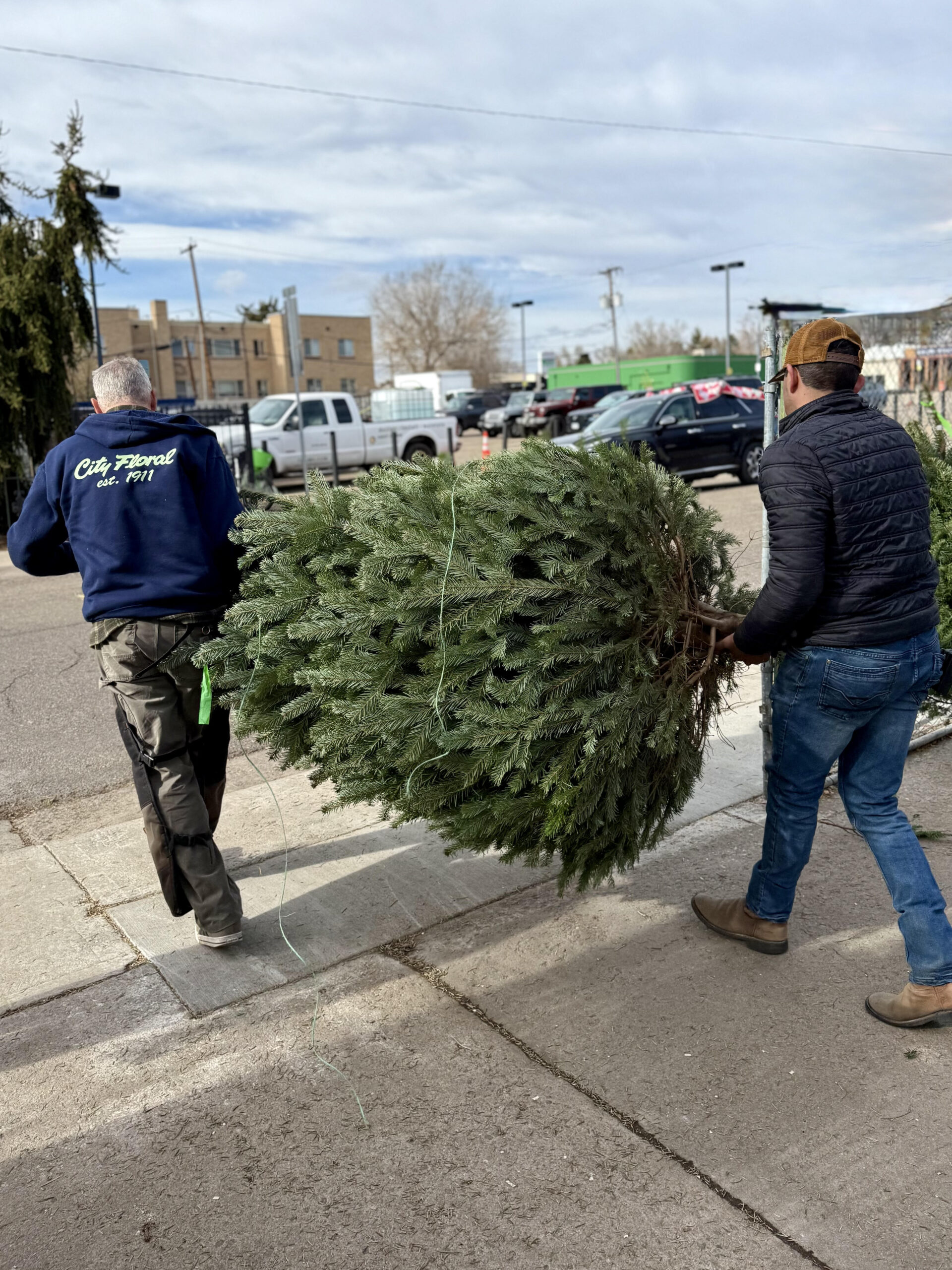
For more than a century, City Floral Garden Center has been part of Denver’s holiday story. Since 1911,families have gathered here to pick out the perfect Christmas tree, wander through…
The Garden Doesn’t Have to End When Winter Arrives
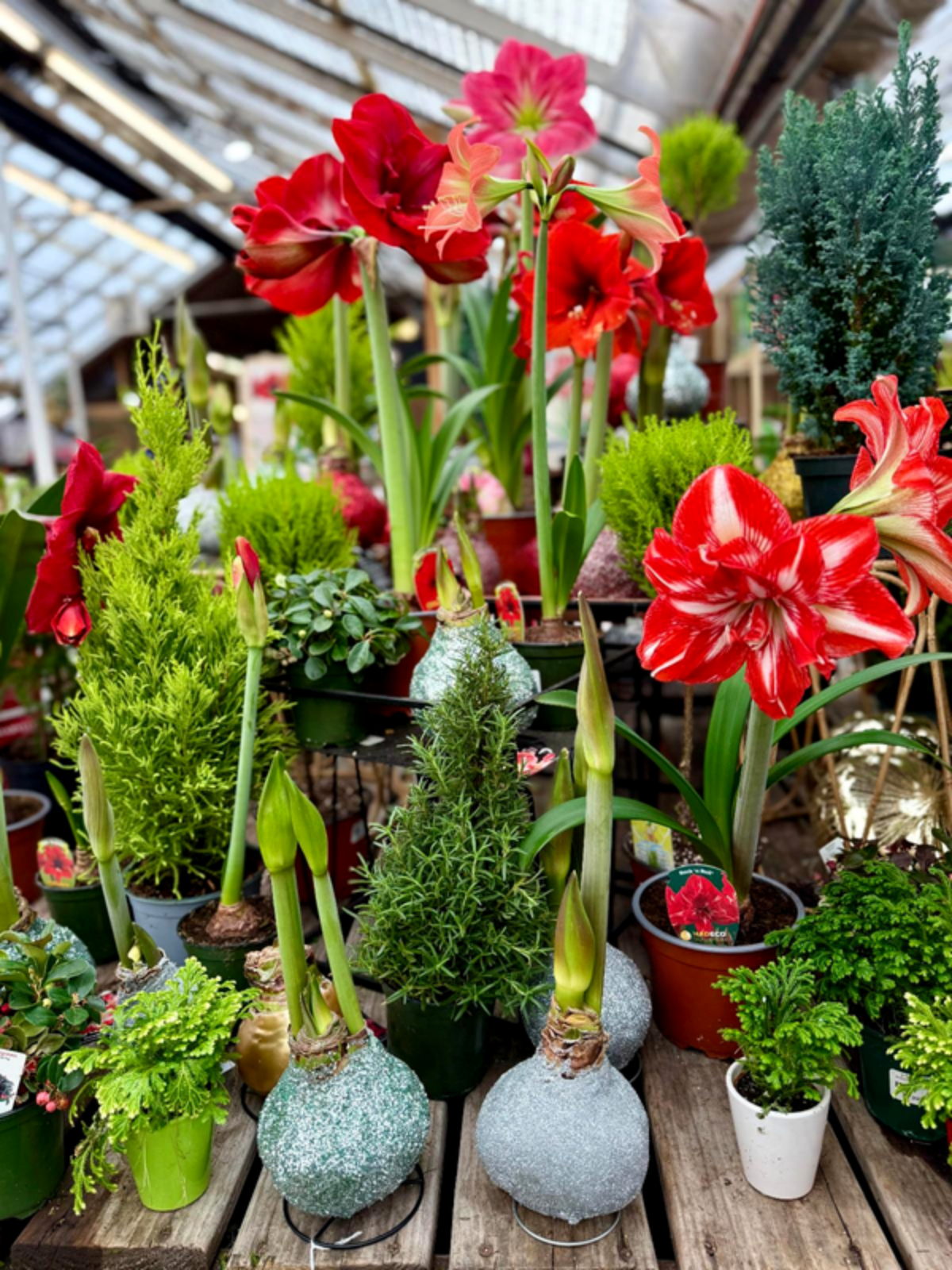
Our Denver gardens are beginning to settle in for winter. The leaves are falling, summercontainers have faded, and many of us are putting the garden to bed for another season.…